Urban Forestry Careers Camp 2025: A Model for Extension Programming
By William Hubbard, Camp Director and Extension Specialist
University of Maryland Extension
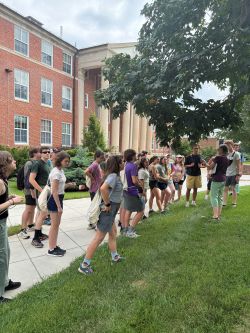 This July, forty high-school students spent a week at the University of Maryland’s College Park campus discovering careers in urban forestry and arboriculture at the Maryland Forestry Foundation’s Urban Forestry Careers Camp. The program combined hands-on learning, career exploration, and community engagement, offering a model for Extension professionals interested in replicating similar experiences in their own states.
Camp Summary
The Urban Forestry Careers Camp is a week-long residential experience designed to introduce high school students to the science, management, and career opportunities within urban forestry, arboriculture, and environmental resource management. Hosted at the University of Maryland’s College Park campus and coordinated by the Maryland Forestry Foundation in partnership with University of Maryland Extension, the camp immerses students in the study and practice of trees and green infrastructure in urban environments.
Over seven days, participants learn directly from Extension educators, municipal foresters, arborists, and university faculty, engaging in practical field exercises like tree climbing, canopy surveys, and urban wildlife observation. Beyond technical content, the camp emphasizes leadership, teamwork, and personal growth through evening recreational activities and career discussions.
The program’s overarching goal is to help students see that urban forestry isn’t just about trees — it’s about people, communities, and the landscapes that connect them.
One camper reflected: “This was by far the best week of my life! I met incredible people, learned so much, and felt truly welcome — like my skills and my individuality really mattered. It’s more than a forestry camp; it’s inspired me to pursue urban forestry as my calling.”
Sample Camp Agenda
- Sunday, July 13: Arrival, check-in, welcome dinner, and icebreaker/ropes course activities.
- Monday, July 14: Introduction to urban and community forestry — why forests matter in cities, and exploring UMD from “farm to mall.”
- Tuesday, July 15: Urban forester field trip and case study day, including visits from Casey Trees and local arborists.
- Wednesday, July 16: Hands-on tree care and climbing clinic, plus a “Day in the Life” field trip to see professionals on the job. Evening college fair.
- Thursday, July 17: Street tree inventory, urban wildlife activity “Oh Deer! Access to Urban Wildlife,” and turf farm/meadow tour.
- Friday, July 18: Forestry law in Maryland, career panels, camp review, and resources for future pathways.
- Saturday, July 19: Breakfast and check-out — a week of new skills, friendships, and inspiration complete.
Voices from the Camp
- “This was the best camp I ever attended.”
- “I had no idea there were so many careers available to me in urban forestry and arboriculture.”
- “The idea of combining my love of being outdoors and history into a profession like urban forestry is amazing.”
- “This camp was by far the best week of my life! I met incredible people, learned so much, and felt truly welcome — like my skills and my individuality really mattered.”
Key Components for Replication
- Hands-On Learning: Active participation drives engagement and learning. Students learn best through doing — collecting data, climbing trees, analyzing sites, and seeing professionals at work.
- Budget and Accessibility: The 2025 camp budget subsidized on-campus housing, meals, and materials, averaging a few thousand dollars per student. Key items include: lodging and dining; transportation and field trips; instructor and staff stipends; and safety gear and materials.
- Inclusive, Multidisciplinary Planning Committee: Include Extension faculty, municipal/state foresters, private industry, nonprofit partners, and youth/alumni to balance technical rigor, logistics, and student well-being.
Director’s Perspective
“As camp director for 2025, I was thrilled by how quickly students embraced both hands-on skills and broader career pathways in urban forestry,” said William Hubbard. “Hearing campers describe the week as life-changing and feel truly welcome underscores the importance of careful planning, strong Extension involvement, and inclusive programming. Extension educators were key to helping students connect scientific principles, community engagement, and career pathways. This program opens doors to meaningful, future-facing work — from tree care and municipal forestry to conservation planning — and shows young people how they can turn a love of the outdoors into a stable, impactful career.”
Practical Guide Checklist: How to Launch an Urban Forestry Careers Camp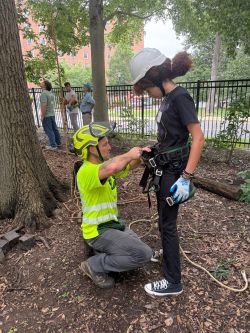
1. Planning and Partnerships
- Form a diverse planning committee: Extension educators, faculty, industry, and youth advisors.
- Define program goals early (career focus, technical training, or both).
- Secure campus housing, classrooms, and field access.
- Engage sponsors such as local tree care companies or municipal forestry programs.
2. Budget and Funding
- Budget $2,000–$2,500 per student for housing, meals, insurance, transportation, and materials.
- Provide scholarships to ensure equity.
- Use partnerships and in-kind support to share costs.
3. Curriculum and Schedule
- Blend classroom instruction and fieldwork (inventories, diagnostics, canopy analysis).
- Integrate career panels, college fairs, and recreation.
- Use field trips to expose students to municipal, nonprofit, and private sectors.
4. Staffing and Roles
- Camp Director: Oversees planning and partnerships.
- Extension Educators: Lead instruction and mentoring.
- Industry Professionals: Offer demonstrations and mentorship.
- Student Counselors: Manage logistics and peer support.
5. Recruitment and Inclusion
- Partner with schools, 4-H, and community organizations to recruit diverse participants.
- Create a culture of respect and belonging.
- Aim for every camper to say: “I felt truly welcome and like my individuality mattered.”
6. Evaluation and Impact
- Collect immediate feedback through surveys and reflection journals.
- Track alumni outcomes to demonstrate long-term impact.
- Share stories and data in Extension reports and stakeholder updates.
7. Keys to Success
- Prioritize experiential learning.
- Build a sustainable budget.
- Lead with Extension’s educational mission.
- Plan inclusively and collaboratively.
- Celebrate the personal growth and purpose this kind of camp inspires.
For more information: William Hubbard, University of Maryland Extension