Before You Buy: considerations for potential California forest landowners
By Kim Ingram
Forest Stewardship Education Program Coordinator
University of California Ag & Natural Resources
When it comes to WHY someone purchases forestland, the reasons are many and diverse. They can be personal (a place to raise a family or to ‘get away from it all’), ecological (to enjoy beauty or to protect wildlife habitat), or utilitarian (for hunting or timber products). No matter the reasons WHY, forest landowners need to decide what kind of forest steward they will be and know that stewardship activities will need to occur at some point. The UC ANR Forest Stewardship Education Team, along with the UC ANR Fire Network, recently completed a 3-part webinar and newsletter series to provide potential forest landowners with information and resources they can use to ask relevant questions and make informed decisions ‘before you buy’.
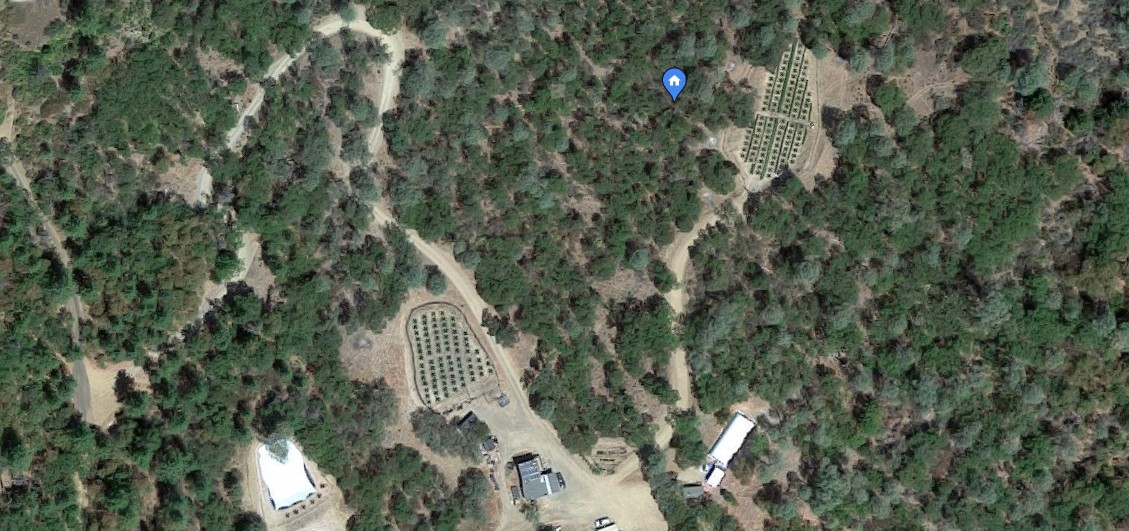
Photo 1. Ariel view of forest property. Photo with permission by Forest Stewardship Workshop Participant.
The 3 sessions included:
Forest Stewardship - exploring motivations for buying forestland; what to look for when assessing forest health; what kind of work is involved in managing a forest, and who does what. Guest speakers discussed translating wants into actions and how management needs on forestland can change over time in response to events or disturbances. Additionally, landowners may need to take actions which run counter to original ownership goals, such as replanting forests after wildfire.
Living with Wildfire – discussing wildfire risk and evacuation planning; the importance of defensible space; and how to use prescribed fire as a fuel reduction method. California forests are fire adapted, but the increasing severity and impacts of wildfires are not easily or wholly mitigated by management activities. What would you, as a landowner, need to do to feel safe? Guest speakers also discussed the importance of real estate inspections, and including livestock evacuation as part of your planning efforts.
Financial Practicalities - including generating income from your forest; cost-share programs to assist with forest management; conservation easements; and navigating California’s insurance landscape. Guest speakers discussed the significance of sustainable timber harvesting as a means to achieve landowner goals and objectives and how prospective landowners should give thought to the financial aspects of owning forestland, as some management activities can be quite expensive. Additionally, with over 57, 500 structures destroyed by wildfires in California over the last 10 years, insurance for rural and timbered properties should be planned for before you buy.
Each webinar session also included a forest landowner panel where they shared their experiences, successes, mistakes and lessons learned. Hear directly from a few of them on our Facebook reel (link below).
Evaluation results showed an increased level of understanding across a variety of topics. Fifty percent of participants pre-webinar reported that they agreed or strongly agreed that they had a good understanding of how to gauge or evaluate the condition of a forest. Post-webinar understanding increased to 94%. Twenty-five percent of participants pre-webinar reported that they had some or a lot of knowledge on evacuation planning. Post-webinar understanding increased to 100%.
To assist potential forest landowners, the UC Forest Stewardship Education Team developed a ‘Before you buy forestland’ checklist that draws attention to factors potential forest landowners should consider, though each property will have its own set of unique characteristics and challenges. The checklist, while not all encompassing, is a way to spark ideas to further conversation with realtors or natural resources professionals.
You can explore additional videos, newsletters, blogs, and publications centered around things you should know before you buy forestland here: