Pollinator Programming in the Florida Keys Drives Participation in the Pollinator Census
By Liah Continentino, Tiare Saracino, and Jeremy Rhoden, UF/IFAS Extension
The Florida Keys, an archipelago of over 1,700 islands stretching 123 miles off the mainland, offer unique opportunities and challenges for wildlife. The Keys are home to numerous endangered and at-risk species, including many pollinator species. One of the main threats pollinators face is habitat loss, and with only 137 square miles of land in the Keys, decisions made by residents have direct and significant 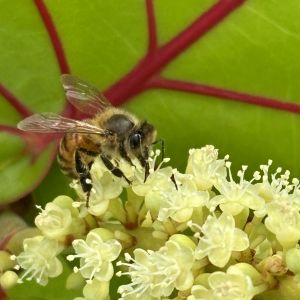 impacts on local wildlife. Education and increased awareness can greatly influence conservation efforts; the more residents learn about and understand local pollinators, the more they feel motivated to support populations through gardening, citizen science, and other activities.
The University of Florida Extension has been working to increase awareness of pollinator value and conservation needs across the Florida Keys. The Great Florida Pollinator Census has been instrumental in this effort. Created by University of Georgia Extension in 2019, the census has three primary goals: increase pollinator habitat, educate on the ecological importance of insects, and collect valuable data through citizen science.
Citizen science, or community science, allows the public to actively participate in scientific initiatives. This approach increases the scope of study areas and amplifies data collection. It also provides an opportunity for community members to interact with their environment in a new way, gaining knowledge, experience, and appreciation for aspects of our ecosystems that typically go unseen.
The pollinator census is an excellent way to involve community members of all ages. In the Florida Keys, census events were held at three schools, two garden clubs, and the Key West Botanical Garden, engaging 284 community members. The events began with a lesson on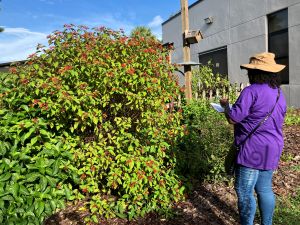 pollinator conservation and gardening; participants then put their knowledge into practice by conducting census counts. This community effort led to a record level of census participation across the county, with 172 participants submitting counts, documenting a total of 825 insects.
Across the state, volunteers from 59 counties contributed to the census, with 5,122 observers documenting 109,336 insects across seven taxonomic categories. Participants also reported establishing 183 new pollinator gardens, demonstrating the program’s impact on habitat creation and conservation behaviors. Future efforts will focus on expanding Florida’s participation in the 2026 Census, scheduled for August 21–22. To learn more visit: https://gsepc.org/